April 21, 2026
In the arena of real estate, kitchen and bathroom updates often deliver some of the clearest gains in buyer interest and resale appeal. These rooms shape how people judge comfort, maintenance, and style, which is why even a single visible improvement can influence the way a home is perceived. Among the most noticeable upgrades are countertops, because they affect both the look of the room and the way it functions every day. A refreshed surface can make an older kitchen feel cleaner, brighter, and more current without requiring a full remodel. For homeowners weighing where to invest, this type of change can offer a practical path toward stronger marketability and a more polished living space.
Visual Appeal
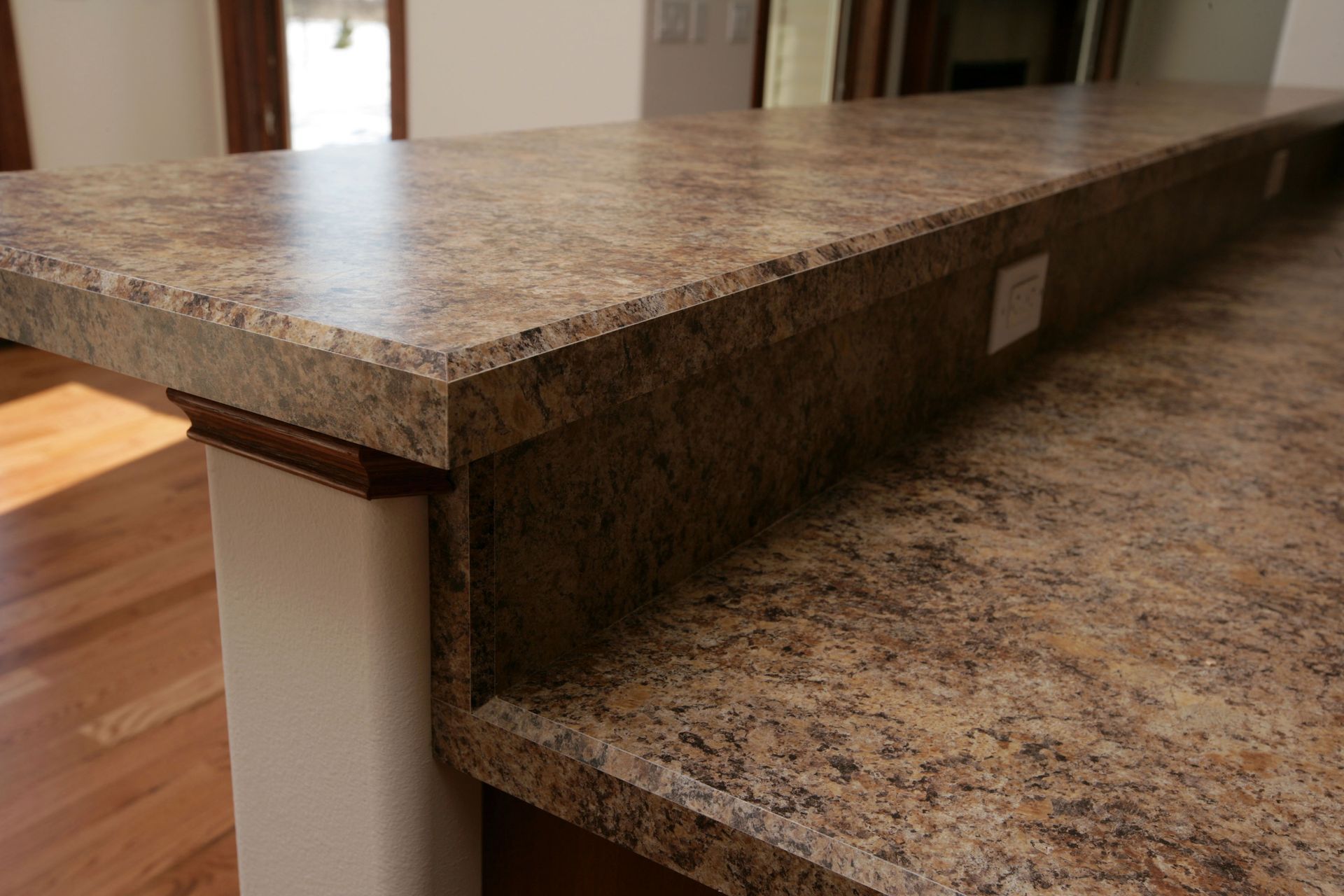
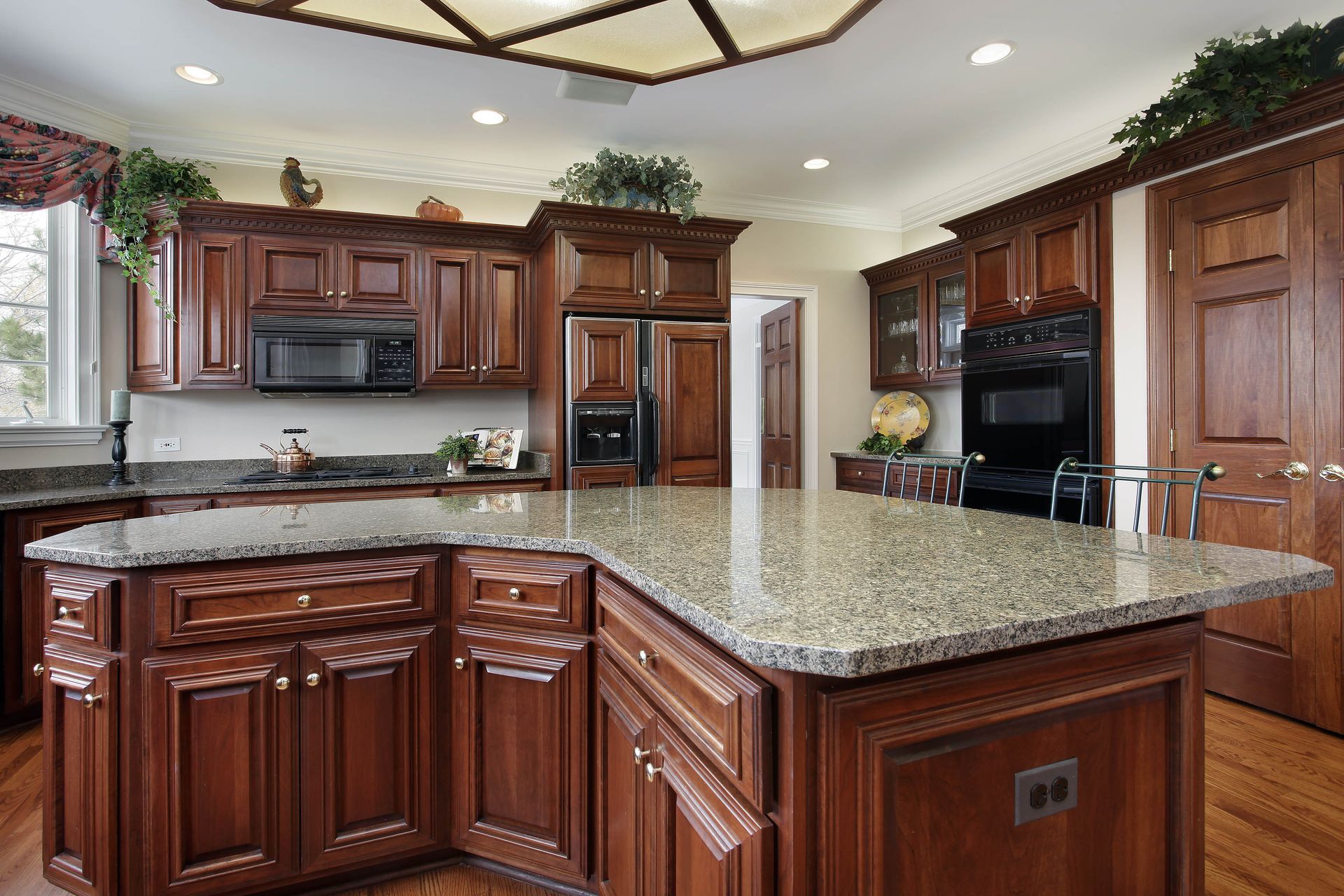
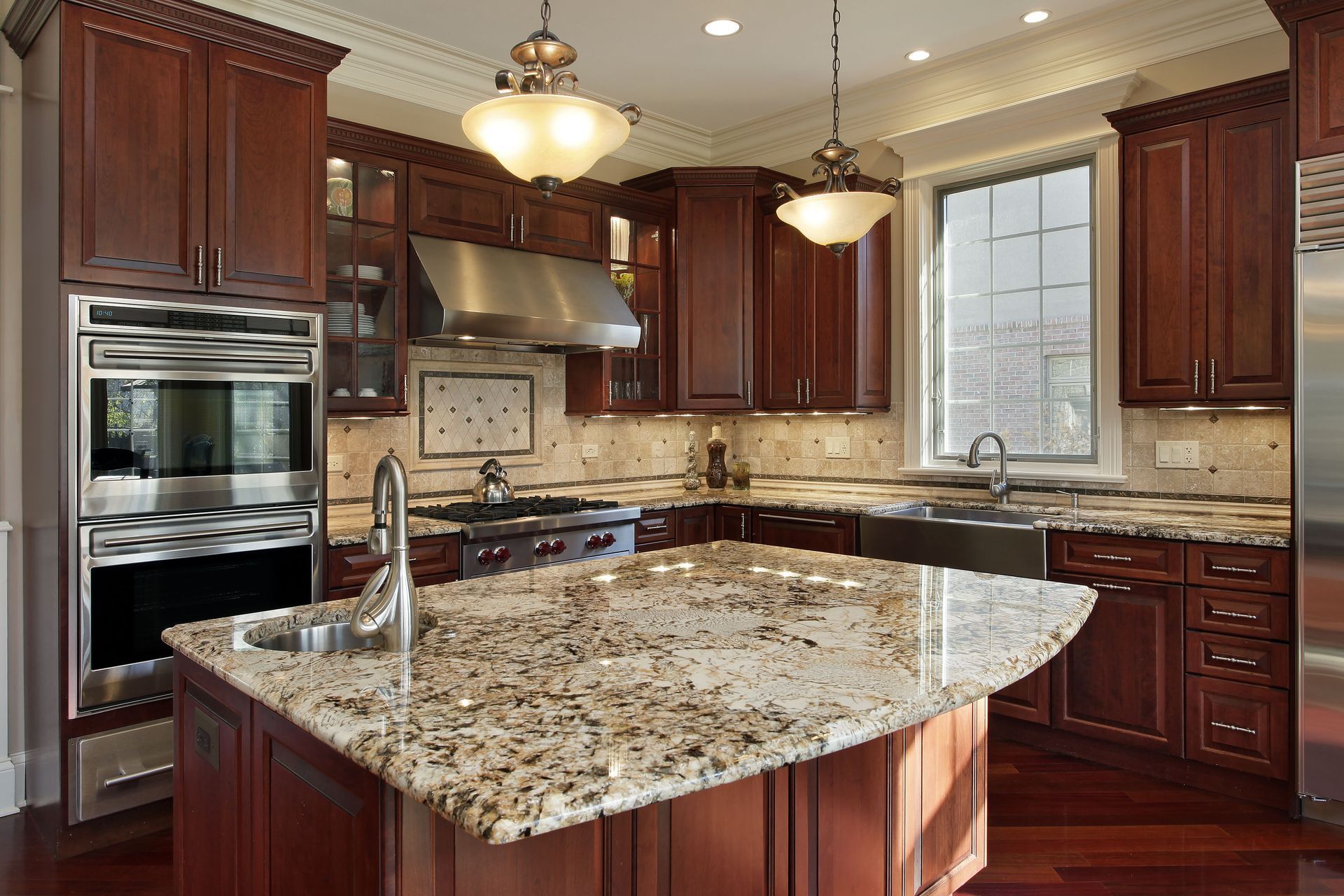
Visual presentation plays a major role in real estate, especially in spaces where buyers naturally focus their attention. Kitchens and bathrooms are expected to look clean, efficient, and updated, and surfaces that appear dated can weaken the overall impression of the home. New countertops help create a more finished appearance by tying together cabinetry, wall color, flooring, and fixtures. They also introduce a sense of freshness that many buyers immediately notice when they enter the room. Even when the layout remains the same, a modern surface can make the entire area feel more valuable and more inviting.
Design trends also influence how buyers respond to a property. While extreme trends may come and go, there is consistent demand for rooms that feel bright, simple, and easy to maintain. Neutral tones, balanced patterns, and quality finishes tend to appeal to a broader range of shoppers than highly personalized choices. A thoughtful replacement can help the home feel current without making it look overly tailored to one person’s taste. That balance matters because buyers generally want a space that feels stylish but still adaptable to their own preferences.
Material Selection
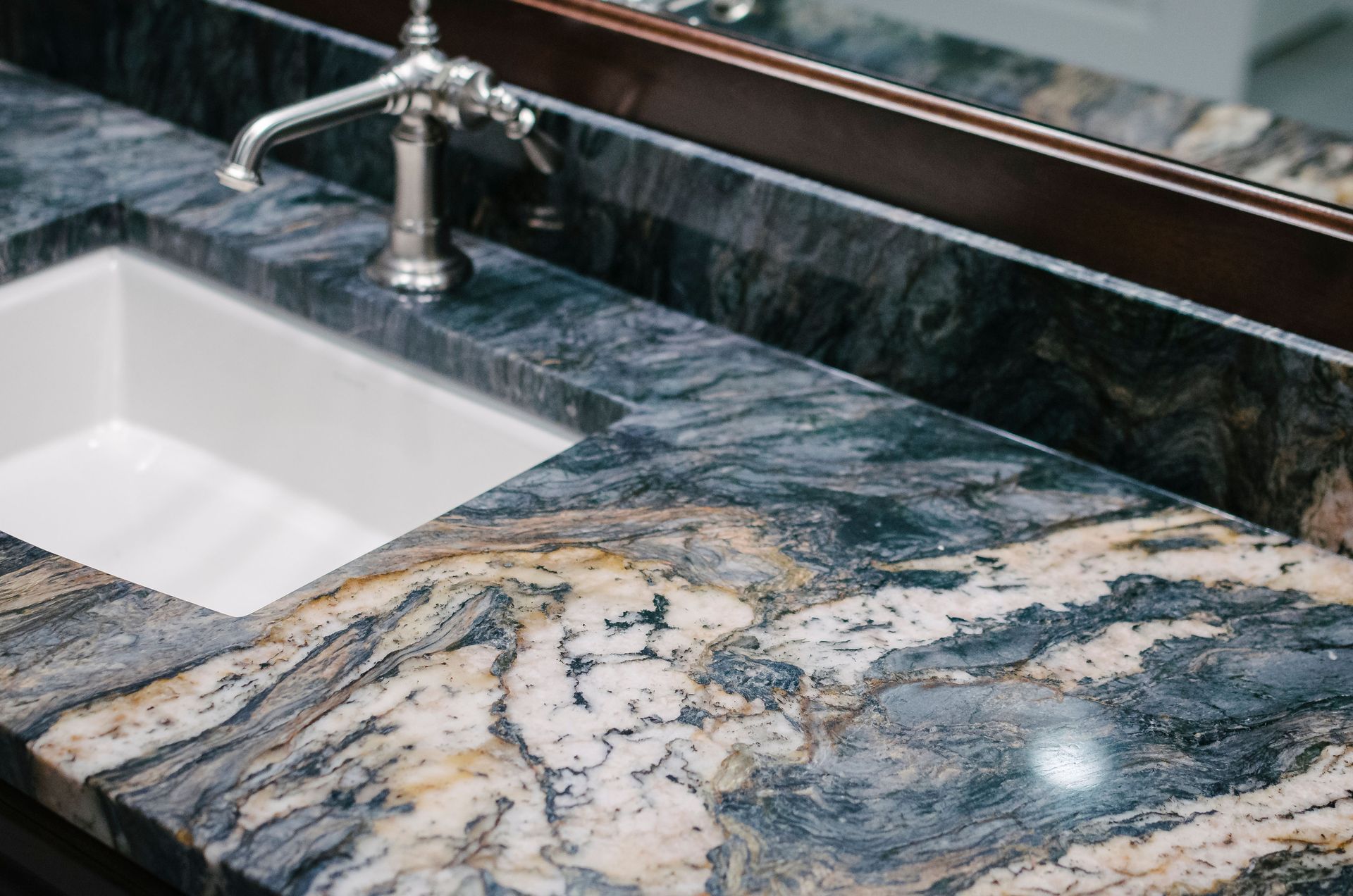
Material choice has a direct effect on both resale potential and long-term satisfaction. Homeowners commonly compare options such as quartz, granite, butcher block, and marble based on appearance, performance, and cost. The right selection depends on how the room is used, how much upkeep is acceptable, and what type of impression the homeowner wants to create. Countertops made from durable, attractive materials often strengthen buyer confidence because they suggest longevity as well as visual appeal. A high-quality surface can also reduce the chance that a potential buyer mentally subtracts money for future repairs or replacement.
Durability matters just as much as style. Busy kitchens deal with heat, spills, sharp utensils, and frequent cleaning, while bathroom vanities must stand up to moisture and daily use. Some materials handle scratching, staining, and impact better than others, so it is wise to think beyond the initial showroom look. Homeowners should also consider how easily the material can be cleaned and whether sealing or special care is required. When the selected product fits the household’s lifestyle, the renovation is more likely to hold its value and remain attractive over time.
Return on investment is often strongest when the material feels appropriate for the price point of the home. An expensive upgrade in an entry-level neighborhood may not produce the same payoff as a balanced improvement that matches local expectations. At the same time, choosing the cheapest option available can sometimes make the update feel temporary or unfinished. The goal is to select a surface that elevates the room in a way that feels natural for the property. That kind of alignment is what helps a renovation support resale rather than simply add expense.
Financial Planning
Budgeting is one of the most important parts of a successful renovation. Homeowners should account not only for the slab or material itself, but also for fabrication, demolition, plumbing adjustments, edging, backsplashes, and installation. Small details can affect the total cost more than expected, especially if hidden damage or structural issues are uncovered during the project. Upgrading countertops can be worthwhile, but the financial plan should be realistic from the start. A carefully defined budget makes it easier to compare options and avoid spending beyond what the improvement is likely to return.
Understanding potential resale value can also help guide those financial decisions. According to HomeAdvisor, replacing kitchen countertops is a quick, cost-effective upgrade that can deliver up to a 98.5% return on investment, especially compared to bigger updates like new cabinets or appliances. This type of improvement often appeals to buyers because it refreshes one of the most visible surfaces in the home without dramatically increasing the purchase price. For homeowners looking to improve marketability without undertaking a full renovation, this statistic highlights why a surface replacement is frequently viewed as a practical upgrade.
Financing may also influence how the project is approached. Some homeowners use savings, while others rely on home equity products or contractor financing programs to spread out the cost. Comparing terms, rates, and repayment structures can make a major difference in the overall value of the project. It is also useful to request detailed bids from more than one installer so the homeowner understands exactly what is included. A lower estimate is not always better if it excludes important labor steps, warranty protection, or cleanup services.
Local market conditions should guide spending decisions as well. In some neighborhoods, buyers strongly expect updated kitchens and baths, which can make these improvements almost necessary for competitive resale. In others, a modest refresh may be enough to satisfy demand. Looking at nearby listings can reveal whether similar homes feature stone surfaces, integrated sinks, waterfall edges, or more basic finishes. Those comparisons help determine whether the planned investment is likely to feel appropriate, excessive, or insufficient.
Design Harmony
One of the most overlooked parts of a renovation is how well the new surface fits the overall style of the home. A charming traditional property may benefit from warm tones and softer pattern movement, while a sleek contemporary home may call for cleaner lines and a more minimal finish. Countertops should work with the architectural language already present instead of fighting against it. When the design feels unified, buyers tend to experience the space as more refined and complete. That cohesion can strengthen both the emotional appeal and the perceived quality of the home.
Customization can add value when it is done with restraint. Unique edge profiles, subtle veining, coordinated backsplashes, or carefully chosen sink pairings can make the room feel elevated without pushing it into a niche style. The most successful updates often blend individuality with broad appeal so the space still feels approachable to future buyers. Homeowners should be cautious about bold colors or highly specific patterns that may limit the audience later. Timeless decisions generally age better and support stronger resale results.
Replacing worn surfaces in a kitchen or bathroom can be a smart way to improve both daily function and long-term property appeal. When homeowners choose quality materials, plan their budgets carefully, and keep the overall style of the home in mind, the results can be meaningful. Countertops have a strong influence on first impressions, but their real value comes from the way they combine aesthetics, durability, and practicality in two of the most important rooms of the house. With sound planning and professional input, this type of improvement can support stronger resale potential while also making the home more enjoyable in the present. For many sellers and long-term owners alike, that makes the investment well worth considering. If you are thinking about upgrading your surfaces, our team at Premier Granite & Stone can help you explore materials and design options that enhance both the beauty and value of your home.